


- Advertisement -
This week in wildlife brought a fascinating mix of animal behaviors capturing global attention, from the playful swimming pigs of the Bahamas to the eerie spectacle of sharks circling off Australian shores. Meanwhile, in an unusual encounter on a British cricket pitch, a fox made a surprising appearance, reminding us of the ever-present intersection between human activities and the natural world. These snapshots offer a vivid glimpse into the diverse and often unexpected moments unfolding across the animal kingdom.
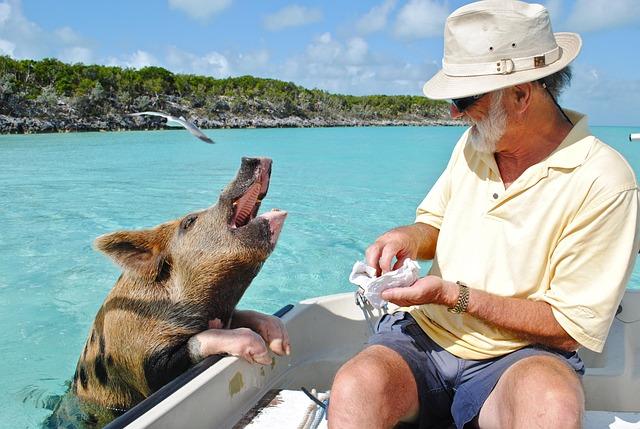
Swimming Pigs Capture Hearts in Stunning Caribbean Scenes
In the crystal-clear turquoise waters of the Bahamas, a remarkable spectacle continues to delight visitors and locals alike: pigs swimming freely between small islands. These charismatic animals have become iconic for the region, offering a unique blend of wildlife and vacation charm that captures the imagination. Tourists flock to see the pigs wading ashore or paddling gracefully through the warm Caribbean seas, creating a picture-perfect scene echoed across social media platforms worldwide.
Experts suggest that the pigs’ unexpected aquatic lifestyle may have originated from local fishermen who once left them on islands as a food source. Today, however, these swimming pigs have become a cherished attraction and a symbol of the delicate balance between nature and tourism. Conservation efforts now focus on protecting their habitat, ensuring that this extraordinary phenomenon continues unspoiled by human impact. Key factors sustaining this ecosystem include:
- Pristine marine environment around the Exumas
- Limited predators and safe nesting grounds
- Community-driven sustainable tourism initiatives
| Aspect | Detail |
|---|---|
| Location | Exuma Islands |
| Pig Population | ~30 swim-capable adults |
| Tourist Visits | Approx. 50,000 annually |
| Conservation Status | Protected by local law |
Shark Movements Reveal Critical Patterns for Marine Conservation
Recent satellite tagging and tracking studies have uncovered intriguing behavioral patterns in several shark species, offering fresh insights into their migration routes, breeding grounds, and feeding habits. Researchers have documented that many sharks follow surprisingly predictable routes along coastlines, often returning to specific hotspots year after year. This repeat visitation underlines the critical importance of safeguarding these regions from overfishing and habitat degradation to maintain healthy shark populations.
These discoveries highlight a number of conservation focal points:
- Seasonal migration corridors that link feeding and breeding areas, essential for maintaining genetic diversity.
- Nursery zones where juveniles can grow with reduced predation risks.
- Feeding aggregations that coincide with oceanographic features like upwellings and temperature gradients.
| Shark Species | Key Movement Pattern | Conservation Priority |
|---|---|---|
| Great White Shark | Coastal seasonal migrations | Protect migratory corridors |
| Hammerhead Shark | Nursery reef sites | Nursery habitat preservation |
| Oceanic Whitetip | Pelagic feeding aggregations | Open ocean fishing regulation |
Fox Intrudes on Cricket Pitch Highlighting Urban Wildlife Challenges
In an unusual interruption to a local cricket match, a fox made an unexpected appearance, wandering onto the pitch and capturing the attention of players and spectators alike. This rare intrusion serves as a vivid reminder of the ongoing challenges posed by urban wildlife encroaching on recreational spaces. As cities expand, wild animals like foxes are adapting to urban environments, often leading to unpredictable encounters that blur the line between human and animal territories.
The incident underscores the complexity of managing urban ecosystems, where wildlife must coexist with human activity. Experts caution that while such sightings can delight communities, they also raise concerns about animal welfare and public safety. Key factors influencing these encounters include:
- Habitat loss: Natural areas shrink, pushing wildlife into cities.
- Food availability: Urban waste can attract curious animals.
- Adaptability: Certain species, like foxes, thrive in diverse environments.
| Factor | Impact on Urban Wildlife |
|---|---|
| Habitat Loss | Displacement to urban zones |
| Food Availability | Increased sightings near humans |
| Adaptability | Higher survival rates in cities |
The Way Forward
As this week’s roundup of remarkable wildlife moments shows, nature continues to surprise and captivate us in equal measure. From the unlikely charm of swimming pigs to the stealthy presence of sharks and the unexpected appearance of a fox on a cricket pitch, these stories highlight the diverse and dynamic interactions between animals and their environments. Staying attuned to such encounters not only enriches our understanding of the natural world but also underscores the importance of conserving these fragile ecosystems amid ongoing challenges.
- Advertisement -