

- Advertisement -
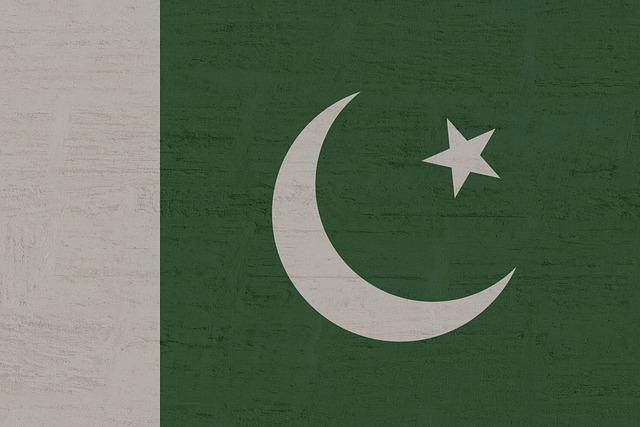
Cricket legend Sunil Gavaskar has weighed in on Pakistan’s decision to boycott their highly anticipated T20 World Cup match against India, describing the move as “not a surprise.” In a candid statement, Gavaskar reflected on the longstanding political tensions between the two nations that often spill over into the sporting arena. His comments come amid growing speculation about the implications of Pakistan’s withdrawal on the tournament and the broader cricketing relationship between the neighboring countries.
Sunil Gavaskar Addresses Pakistan’s Decision to Boycott T20 World Cup Clash Against India
Sunil Gavaskar expressed no shock over Pakistan’s boycott of the T20 World Cup match against India, calling it “not a surprise” given the long-standing tensions between the two cricketing nations. During a recent interview, Gavaskar highlighted how political undercurrents have historically influenced sporting decisions, stating that cricket often becomes an extension of larger diplomatic conflicts. He emphasized that while the boycott disappointed fans worldwide, it was unfortunately consistent with past instances where off-field issues affected on-field contests.
Addressing the broader implications of this move, Gavaskar pointed out the impact on the sport’s global image and fan engagement. In his analysis, he presented a clear breakdown of the consequences:
- Loss of competitive spirit: The absence of high-profile clashes diminishes tournament excitement.
- Fan disenchantment: Loyal followers miss out on iconic rivalries.
- Political interference: Continues to overshadow sporting neutrality.
| Aspect | Impact | Possible Solution |
|---|---|---|
| Tensions | Boycott and withdrawals | Diplomatic engagement |
| Fans | Disappointment, reduced viewership | Promote neutral venues |
| Cricket integrity | Questioned due to political influences | Focus on sport-first policies |
Analyzing the Historical and Political Context Behind Pakistan’s Boycott Move
Pakistan’s decision to boycott the T20 World Cup match against India is deeply rooted in the complex historical and political tensions that have long defined the relationship between the two nations. Since their partition in 1947, a series of conflicts and diplomatic standoffs have maintained a fragile status quo, influencing sporting and cultural exchanges alike. The cricketing arena, often viewed as a proxy battlefield, has witnessed numerous disruptions, and this latest boycott is a reflection of unresolved political grievances spilling over into sports. Such actions are not isolated incidents but rather part of a recurring pattern stemming from geopolitical discord.
Several factors contribute to this contentious atmosphere, including:
- Historical conflicts: Wars and border skirmishes have entrenched mistrust.
- Diplomatic strains: Periodic breakdowns in talks exacerbate tensions.
- Domestic political pressures: Nationalistic sentiments in both countries influence government decisions.
Below is a brief overview summarizing key events impacting cricketing relations between the two nations:
| Year | Event | Impact on Cricket |
|---|---|---|
| 1999 | Kargil Conflict | Suspension of bilateral cricket series |
| 2008 | Mumbai Attacks | Complete halt to cricket tours |
| 2016 | Uri Attack | Cancelled Pakistan tour to India |
Recommendations for Cricket Authorities to Manage Future India-Pakistan Encounters
To ensure smoother conduct of future India-Pakistan cricket encounters, authorities must adopt a pragmatic approach emphasizing diplomacy and contingency planning. Establishing a bilateral cricket council with representatives from both boards, third-party mediators, and International Cricket Council (ICC) officials can help mitigate political tensions before they impact the sport. Transparent communication channels are essential, enabling rapid decision-making that balances competitive interests with national sentiments.
Additionally, implementing the following measures could foster a healthier cricketing environment between the two nations:
- Scheduling key matches at neutral venues with robust security frameworks
- Strict enforcement of ICC’s anti-politicization policies
- Enhanced fan engagement initiatives promoting mutual respect
- Regular joint press conferences to address concerns upfront
| Recommendation | Expected Outcome |
|---|---|
| Bilateral Cricket Council | Conflict resolution & timely decisions |
| Neutral Venue Hosting | Lower political interference |
| Fan Engagement Programs | Improved sporting camaraderie |
| Joint Press Briefings | Clear public messaging & reduced speculation |
| Recommendation | Expected Outcome |
|---|---|
| Bilateral Cricket Council | Conflict resolution & timely decisions |
| Neutral Venue Hosting | Lower political interference |
| Fan Engagement Programs | Improved sporting camaraderie |
| Joint Press Briefings | Clear public messaging & reduced speculation |
If you want me to help with anything else like formatting, adding content, or generating a summary, feel free to ask!
In Conclusion
Sunil Gavaskar’s candid response to Pakistan’s decision to boycott the T20 World Cup clash against India underscores the persistent tensions that continue to define the cricketing ties between the two nations. His remark, describing the boycott as “not a surprise,” reflects a broader understanding of the political backdrop that often influences sporting events in the region. As the cricket fraternity awaits future encounters, Gavaskar’s perspective serves as a reminder of the complex interplay between sport and diplomacy on the subcontinent.
- Advertisement -

A seasoned investigative journalist known for her sharp wit and tenacity.