


- Advertisement -
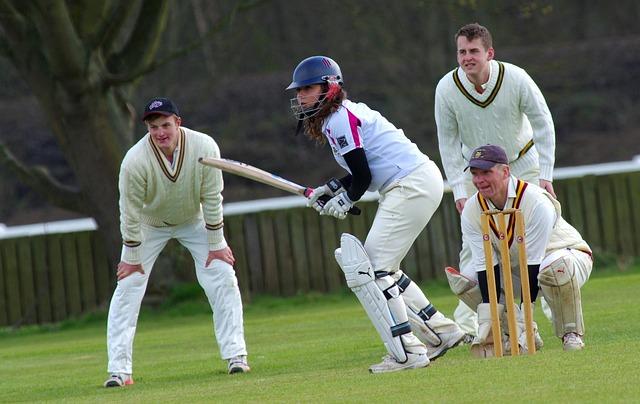
In recent years, the spotlight on women’s cricket has intensified, celebrating remarkable achievements and breaking long-standing barriers. Yet, beneath the rising popularity and growing investments, concerns about the welfare and protection of women cricketers continue to emerge. As reports of abuse-both on and off the field-surface with increasing frequency, questions arise about whether the cricket ecosystem is doing enough to safeguard its female athletes. This article delves into the current state of protection mechanisms, examines the challenges faced by women cricketers, and evaluates the measures undertaken by boards, associations, and stakeholders to ensure a safe and supportive environment in the game.
The Culture of Silence Surrounding Abuse in Women’s Cricket
The pervasive hush that envelops abuse allegations in women’s cricket reveals a troubling pattern of neglect. Many players, especially those starting their careers, find themselves trapped between loyalty to the sport and fear of retaliation or career jeopardy. This unwritten rule of silence not only isolates victims but also allows toxic behaviours to fester unchecked. Despite increasing awareness, institutions often prioritize performance metrics and tournament outcomes over player welfare, inadvertently perpetuating a culture where abuse is minimized or swept under the rug.
Several factors contribute to this systemic failure, including:
- Inadequate reporting channels: Absence of confidential and accessible mechanisms for players to voice concerns.
- Power imbalances: Young athletes often depend on coaches and officials who wield significant influence over their careers.
- Stigma and fear: Cultural and societal pressures deter victims from speaking out, fearing ostracism.
- Lack of transparency: Few organizations publish data or findings from abuse investigations, eroding trust.
| Aspect | Current Status | Needed Action |
|---|---|---|
| Reporting Mechanisms | Limited & non-confidential | Establish anonymous, secure channels |
| Player Support | Minimal psychological aid | Dedicated counseling & legal services |
| Accountability | Opaque investigations | Transparent procedures & public reporting |
Institutional Responsibilities and Accountability Measures in Protecting Players
Cricket governing bodies, both at national and international levels, hold a critical role in enforcing robust protection mechanisms for women cricketers. Entities like the Board of Control for Cricket in India (BCCI) and the International Cricket Council (ICC) have introduced codes of conduct and reporting channels aimed at curbing abuse within the sport. However, the effectiveness of these frameworks often depends on transparent implementation and swift disciplinary actions. While some progress has been made in sensitizing administrators and creating safe environments, many players still express concerns about the accessibility and confidentiality of grievance redressal processes. Institutions must prioritize mandatory education for coaches, support staff, and players on recognizing and addressing abuse, thereby fostering a culture that condemns misconduct unequivocally.
- Independent ethics committees for unbiased investigations.
- Regular mental health assessments integrated into training regimes.
- Confidential helplines staffed by trained professionals.
- Transparent reporting and outcome disclosures to build trust.
| Institution | Protection Initiative | Status |
|---|---|---|
| BCCI | Vulnerable Player Liaison Officer | Implemented |
| ICC | Anti-Harassment Policy Review | Ongoing |
| State Associations | Mandatory Reporting Training | Inconsistent |
Accountability can no longer be sidelined as mere rhetoric but must be embedded through measurable targets and periodic audits. Many women cricketers have underscored the importance of institutions demonstrating zero tolerance toward abuse, not only through punitive measures but via proactive prevention strategies. Creating independent oversight bodies, free from administrative influence, is essential to safeguard the integrity of investigations and guarantee that survivors receive the support they need without fear of retaliation. Only by elevating institutional responsibility can the cricket ecosystem create a nurturing environment where women athletes are genuinely valued beyond their on-field performances.
Implementing Comprehensive Support Systems and Preventive Strategies for Women Cricketers
The urgent need for robust support systems within women’s cricket has become impossible to ignore. To truly protect athletes, cricket boards and associations must invest in dedicated mental health resources, comprehensive reporting mechanisms, and accessible counseling services tailored specifically for women players. This means establishing confidential channels where players can safely report abuse without fear of retaliation, coupled with prompt and transparent investigative processes. Furthermore, integrating regular training sessions that educate athletes, coaches, and staff about recognizing, preventing, and addressing abuse must become a mandatory part of the cricket ecosystem.
To foster a safer and more supportive environment, cricketing bodies should prioritize:
- Mandatory safeguarding protocols embedded in all levels of cricket administration
- Professional support teams including psychologists and legal experts focused on women’s sports
- Clear disciplinary frameworks with zero-tolerance policies against abuse
- Community engagement programs that empower players with knowledge and peer support networks
| Support Area | Current Gaps | Recommended Action |
|---|---|---|
| Confidential Reporting | Lack of anonymity; fear of backlash | Implement encrypted digital reporting platforms |
| Mental Health Services | Inadequate access and funding | Hire dedicated sports psychologists and counselors |
| Education & Training | Irregular and inconsistent programs | Make workshops compulsory and recurrent |
| Disciplinary Measures | Ambiguous penalties and slow processes | Establish clear protocols with strict timelines |
In Conclusion
As the conversation around safeguarding in women’s cricket gains momentum, it becomes increasingly clear that addressing abuse within the sport requires more than just policy statements-it demands actionable commitment from all stakeholders. While progress has been made, the onus remains on cricket boards, teams, and governing bodies to create an environment where players’ well-being is prioritized alongside performance. Only through sustained efforts, transparent mechanisms, and robust support systems can the cricket ecosystem ensure that the game empowers women athletes rather than exposing them to harm. The question now is not just whether enough is being done, but how swiftly and effectively these protections can be strengthened to uphold the integrity and future of women’s cricket.
- Advertisement -