


- Advertisement -
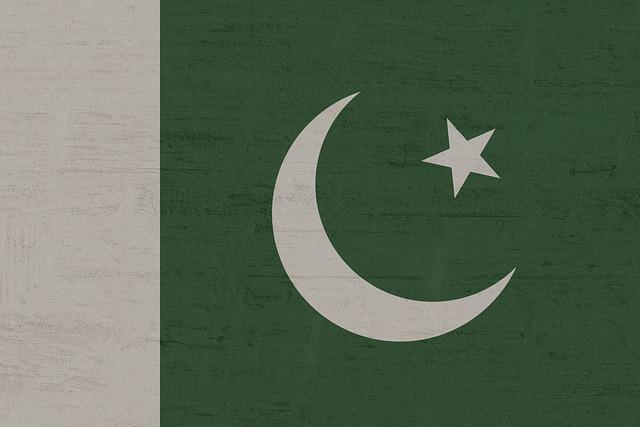
In a significant development ahead of the T20 World Cup, Pakistan has announced its decision to boycott the highly anticipated match against India, escalating tensions between the two cricketing rivals. The International Cricket Council (ICC) has expressed strong disapproval of Pakistan’s selective participation, criticizing the move as contrary to the spirit of the tournament. This latest dispute not only threatens to overshadow the global cricketing event but also raises questions about the future of sporting ties between the neighboring nations.
Pakistan Announces Boycott of India Clash at T20 World Cup Amid Rising Political Tensions
In a move that has sent ripples through the cricketing world, Pakistan Cricket Board (PCB) has officially announced a boycott of their upcoming T20 World Cup match against India. This decision emerges amid escalating political tensions between the two nations, making the longstanding rivalry on the pitch even more complex. The PCB cited concerns over diplomatic relations and security risks as primary reasons for withdrawing from the clash, which was highly anticipated by fans worldwide. This boycott marks a significant disruption to the tournament’s schedule and raises questions about the future of cricket diplomacy between the two South Asian neighbors.
The International Cricket Council (ICC) has issued a strong rebuke of Pakistan’s selective participation, emphasizing the need for players to uphold the spirit of the sport above political disputes. In an official statement, the ICC expressed disappointment over the boycott, stressing that such actions undermine the integrity of the global competition. Below is an overview of the ICC’s stance and key implications of the boycott:
- ICC Reaction: Condemned the selective participation and reminded teams of their obligations to complete fixtures.
- Tournament Impact: Potential rescheduling challenges and disruption of tournament dynamics.
- Diplomatic Fallout: Increased strain on ICC’s role as mediator in geopolitical conflicts impacting sports.
| Aspect | Details |
|---|---|
| Match Status | Postponed/Forfeited |
| Pakistan’s Reason | Political & Security Concerns |
| ICC’s Warning | Preservation of Sportsmanship |
| Fan Reaction | Mixed, with disappointment and understanding |
ICC Condemns Pakistan’s Selective Participation, Calls for Sportsmanship and Fair Play
The International Cricket Council (ICC) has voiced strong disapproval following Pakistan’s decision to boycott their highly anticipated Group B clash against India in the T20 World Cup. Labeling the move as selective participation, the ICC emphasized that such actions undermine the spirit of the game and betray fans who eagerly await contests between the two cricketing giants. The governing body reiterated its commitment to ensuring fair play and equal participation, urging all member teams to uphold the principles of sportsmanship and respect the tournament’s integrity.
In a formal statement, the ICC highlighted the importance of adhering to established protocols and avoiding political influences that could disrupt the tournament’s flow. Pakistan’s sudden withdrawal was noted as an unprecedented step, potentially setting a concerning precedent for future events. The ICC also called on cricket federations worldwide to focus on:
- Promoting mutual respect among competing nations
- Maintaining commitment to scheduled fixtures
- Protecting the interests of fans and sponsors alike
- Ensuring cricket remains free from external controversies
| Team | Matches Scheduled | Matches Played | Matches Withdrawn |
|---|---|---|---|
| Pakistan | 7 | 6 | 1 |
| India | 7 | 7 | 0 |
Experts Recommend Dialogue and Clear Policies to Prevent Future Sporting Disputes
In light of the recent controversy surrounding Pakistan’s boycott of their India match at the T20 World Cup, experts have emphasized the urgent need for sustained dialogue between cricket boards. Industry veterans stress that open communication channels are essential to defuse tensions and build mutual trust, thus preventing politically motivated disruptions in international sports. The consensus among analysts is that sporting bodies must engage in regular consultations, ensuring that conflicts are addressed proactively rather than reactively.
Key recommendations from scholars and former players include:
- Implementing transparent policies that clearly define conditions for participation and withdrawal.
- Establishing an independent arbitration system to mediate disputes impartially.
- Promoting sports diplomacy as a tool for fostering goodwill beyond the cricket field.
| Recommendation | Expected Outcome |
|---|---|
| Clear Participation Guidelines | Reduce ambiguous interpretations and prevent selective boycotts |
| Regular Bilateral Dialogues | Enhance trust and cooperation between cricket boards |
| Independent Arbitration Panel | Provide neutral dispute resolutions without political bias |
| Sports Diplomacy Initiatives | Utilize cricket as a bridge for cultural and political reconciliation |
In Conclusion
As the controversy surrounding Pakistan’s decision to boycott their group-stage match against India at the T20 World Cup unfolds, the ICC’s criticism highlights growing concerns over selective participation undermining the spirit of the tournament. With tensions between the two cricketing nations continuing to impact the game’s biggest stages, stakeholders now face mounting pressure to ensure that future fixtures proceed without disruption. The evolving situation remains a key storyline in this year’s World Cup, reflecting the complex intersection of sports and politics.
- Advertisement -