


- Advertisement -
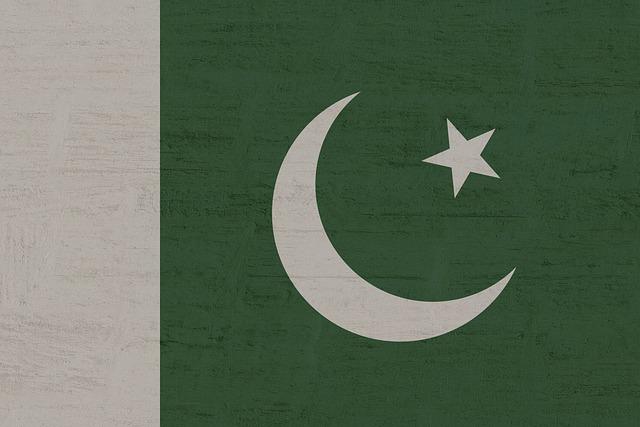
In a significant development ahead of the T20 Cricket World Cup, Pakistan has agreed to face arch-rivals India after previously announcing a boycott. The decision comes amid mounting pressure from cricketing authorities and international stakeholders to ensure the high-profile fixture goes ahead as scheduled. This reversal marks a pivotal moment in the tournament’s narrative, promising to revive one of cricket’s most intense rivalries on the global stage.
Pakistan agrees to face India in T20 Cricket World Cup as boycott is withdrawn
In a significant development ahead of the ICC T20 Cricket World Cup, Pakistan has officially withdrawn its boycott and agreed to face India on the field. This decision marks a thaw in the longstanding sporting tensions between the two cricketing giants, restoring hope for fans eager to witness one of cricket’s most intense rivalries. The Pakistan Cricket Board (PCB) announced the reversal following intensive consultations with national and international cricket authorities, emphasizing the spirit of the game beyond political differences.
The announcement outlines several key factors driving the decision:
- Commitment to uphold the integrity of the World Cup tournament
- Ensuring fair play and sportsmanship on the international stage
- Responsive measures to fan demand and global cricket diplomacy
| Match Details | Date | Venue |
|---|---|---|
| Pakistan vs India | October 24, 2024 | Melbourne Cricket Ground |
Cricket analysts have welcomed the decision, noting that it not only enriches the tournament’s competitive edge but also paves a pathway for possible improvements in bilateral cricket relations in the future. Fans worldwide now eagerly await a high-voltage encounter between the two teams, promising drama and spectacular cricketing moments on the grand stage.
Diplomatic breakthrough behind the resumption of cricketing ties between arch-rivals
After months of tense negotiations and behind-the-scenes diplomacy, a pivotal agreement was reached that paved the way for Pakistan and India to face each other in the upcoming T20 Cricket World Cup. This rare breakthrough came following a series of high-level discussions involving cricket boards and government officials from both nations, emphasizing the sport’s potential as a bridge for dialogue despite longstanding political discord. Central to the accord was a commitment to separate sport from politics, allowing cricket to move forward as a medium of goodwill and competitive spirit.
The agreement incorporates several key elements designed to ensure smooth logistics and security arrangements, highlighting the seriousness of this unprecedented resumption. Notably:
- Neutral Venues: Matches will be held at pre-approved neutral grounds where feasible, minimizing political sensitivities.
- Security Coordination: Joint security task forces between the two cricket boards and respective authorities.
- Media Access: Equal opportunity for media coverage from both countries to promote transparency and fan engagement.
| Key Stakeholders | Role | Outcome |
|---|---|---|
| Cricket Boards | Facilitators & Negotiators | Signed Memorandum of Understanding |
| Government Officials | Diplomatic Support | Ensured security assurances |
| International Cricket Council | Oversight & Neutral Arbitration | Validated match conditions |
Experts call for continued sports diplomacy to sustain peace and foster regional cooperation
In a significant move that transcends the boundaries of sports, analysts and regional experts emphasize the critical role of sports diplomacy in maintaining harmony and deepening cooperation across South Asia. The recent decision by Pakistan to engage in a T20 clash against India during the Cricket World Cup is being hailed not just as a sporting event but as a powerful gesture of goodwill. This breakthrough exemplifies how cricket, often dubbed as the subcontinent’s heartbeat, can function as a catalyst for dialogue, easing political tensions and rekindling trust between the two nations. The match is expected to set a precedent encouraging further diplomatic engagements through shared cultural platforms.
Key areas where sports diplomacy can make a lasting impact include:
- Promoting people-to-people connections beyond political rhetoric
- Encouraging youth engagement and mutual respect among future generations
- Facilitating bilateral dialogues in a neutral, informal environment
- Creating economic opportunities through joint sporting events and tourism
| Year | Event | Impact on Relations |
|---|---|---|
| 1987 | Cricket World Cup Matches | Fostered initial sporting ties |
| 2011 | World Cup Semi-final in Mohali | Heightened fan diplomacy, renewed dialogue |
| 2023 | Pakistan’s T20 Acceptance | Potential milestone for peace initiatives |
Key Takeaways
The decision by Pakistan to end its boycott and face India in the upcoming T20 Cricket World Cup marks a significant moment in the sport’s diplomatic history. As two of cricket’s fiercest rivals prepare to meet on the field once again, fans from both nations eagerly await a highly anticipated contest that transcends sport. This development not only revives one of the game’s most intense matchups but also signals a potential thaw in bilateral sporting relations amid broader geopolitical tensions. The global cricketing community will be watching closely as the tournament unfolds, hopeful that the spirit of competition will pave the way for continued engagement and dialogue between the two teams.
- Advertisement -