


- Advertisement -
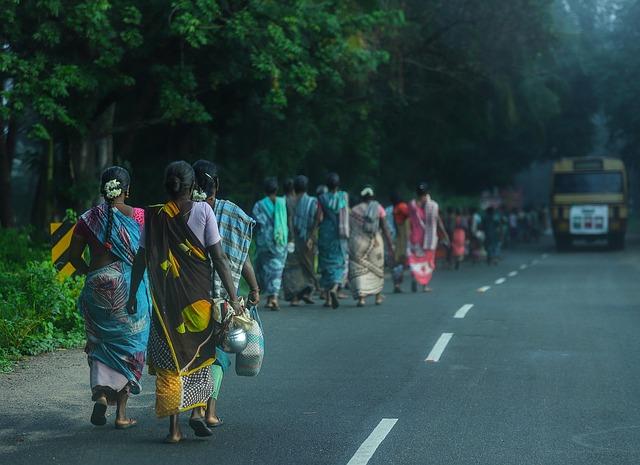
In a significant milestone for gender equality, India is witnessing a transformative moment that underscores the evolving role of women across the nation. The New York Times reports on recent developments that highlight both the progress and ongoing challenges faced by women in India, marking a pivotal chapter in the country’s social and cultural landscape. This article delves into the key events and implications of this big moment, reflecting the broader global movement toward empowerment and inclusion.
Breaking Barriers Expanding Opportunities for Women Across India
India is witnessing a pivotal transformation as women increasingly break through entrenched societal barriers to claim their rightful place in various spheres. From the bustling streets of metropolitan hubs to the remotest rural villages, women are seizing new opportunities that earlier seemed unattainable. Educational access, government initiatives, and private sector reforms have collectively accelerated progress, enabling women to pursue careers in STEM, entrepreneurship, politics, and sports with unprecedented momentum.
Several factors contribute to this momentum, including targeted skill development programs and increased financial inclusion. The following table highlights key areas where women’s participation has surged over the past five years:
| Sector | 2019 Participation | 2024 Participation | Growth (%) |
|---|---|---|---|
| Technology | 18% | 32% | +14% |
| Entrepreneurship | 12% | 27% | +15% |
| Political Representation | 9% | 19% | +10% |
| Sports | 7% | 20% | +13% |
Moreover, social attitudes are shifting with grassroots movements and advocacy groups championing gender equality. This shift is reflected in rising literacy rates, improved health outcomes, and the growing presence of women in leadership roles. Key ongoing challenges remain, such as gender pay gaps and workplace safety, but the trajectory signals an inspiring commitment to dismantling historic hurdles.
- Skill Empowerment: Increased enrollment in vocational and professional training.
- Policy Support: Government schemes promoting women-owned businesses.
- Community Engagement: Local initiatives fostering mentorship and networking.
Challenges Persist Despite Progress in Gender Equality Initiatives
Despite notable strides in legislative reforms and social awareness campaigns, gender equality remains an elusive goal in India. Structural barriers continue to impede progress, with deep-rooted cultural norms and discriminatory practices limiting women’s access to education, healthcare, and economic opportunities. Many women still face workplace harassment, wage disparities, and underrepresentation in leadership roles across sectors. Moreover, rural regions exhibit a slower pace of change, where traditional mindsets often override policy intentions, leaving countless women behind.
Data from recent studies highlight key areas where progress has stagnated or regressed:
- Workforce Participation: Only 23% of women are active in the formal labor market, compared to 75% of men.
- Safety Concerns: Nearly 40% of women report experiencing harassment or violence in public spaces.
- Political Representation: Women constitute less than 15% of elected officials nationwide.
| Indicator | Current Status | Target for 2030 |
|---|---|---|
| Female Literacy Rate | 71% | 90% |
| Women in STEM Jobs | 28% | 50% |
| Gender Wage Gap | 19% | 5% |
Policy Recommendations to Sustain Momentum and Empower Future Generations
To ensure the recent strides made by women in India translate into lasting change, policymakers must prioritize comprehensive reforms that address both systemic barriers and cultural stigmas. Investment in quality education and skill development tailored specifically to young girls will be crucial in bridging opportunity gaps. Additionally, expanding access to affordable healthcare, including reproductive services, alongside enforcing stricter workplace harassment laws, can create safer, more inclusive environments that empower women economically and socially.
Encouraging community-driven initiatives and amplifying the voices of marginalized groups will foster a more equitable society. The table below highlights key focus areas for immediate and sustained policy impact:
| Focus Area | Policy Action | Expected Outcome |
|---|---|---|
| Education | Scholarships & mentorship programs | Increased female enrollment & retention |
| Healthcare | Expanded maternal & mental health services | Improved overall wellbeing |
| Workplace Equality | Enhanced anti-harassment laws enforcement | Safer workspaces & career advancement |
| Legal Rights | Simplified legal aid for abuse victims | Greater access to justice |
Commitment from all levels of government and active collaboration with civil society organizations will be vital in sustaining momentum. Empowering future generations requires not just policy but cultural transformation-an endeavor that calls for ongoing dialogue, education, and decisive action to dismantle deep-rooted inequalities.
Concluding Remarks
As India stands at a pivotal crossroads, the advancements highlighted in this moment mark not just a stride forward for women, but a significant shift in the nation’s social and political landscape. While challenges remain, these developments signal a growing momentum toward greater gender equality and empowerment. The unfolding story of women in India is far from over, but this big moment, as captured in The New York Times, offers a glimpse of transformative change on the horizon.
- Advertisement -