

- Advertisement -
In the world of sports, athletes often face scrutiny not only for their performance but also for their personal beliefs. Recently, a prominent women’s cricket player has come under fire, becoming the subject of online trolling due to her Christian faith. This controversy has sparked a wider conversation about religious expression and respect within the sports community. Christianity Today explores the challenges faced by this athlete as she navigates criticism while maintaining her convictions, highlighting the intersection of faith and sports in today’s cultural landscape.
Women’s Cricket Star Faces Online Harassment Over Religious Beliefs
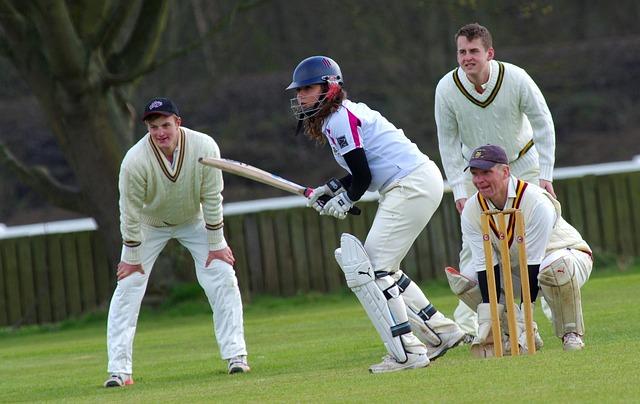
Leading women’s cricket athlete Emily Harris has recently become the target of a wave of online abuse stemming from her open expression of Christian faith. Social media platforms have seen a surge of negative comments following her heartfelt interviews and posts reflecting how her beliefs influence her commitment to the sport and personal life. Supporters argue that such harassment not only violates principles of religious freedom but also threatens the inclusivity that sports organizations strive to uphold.
The backlash highlights a growing pattern of intolerance where public figures face criticism far beyond their professional performance. Observers have noted that the harassment includes:
- Derogatory remarks questioning her values
- Calls for boycotting her matches
- Mockery of her faith in memes and videos
Despite this, Emily Harris continues to advocate for respect across all beliefs, emphasizing that diversity should be celebrated both on and off the field.
| Key Facts | Details |
|---|---|
| Player | Emily Harris |
| Faith | Christianity |
| Harassment Types | Online trolling, hate comments, social media boycotts |
| Response | Calls for respect Across all beliefs and promotion of diversity and inclusion in sports |
Examining the Impact of Faith-Based Trolling on Athletes’ Mental Health
Faith-based trolling has emerged as a distressing form of online abuse targeting athletes who openly express their religious beliefs. In recent years, female cricketers professing their Christian faith have found themselves particularly vulnerable to this kind of harassment. Such attacks often extend beyond mere criticism, encompassing demeaning language and unfounded accusations aimed at undermining both the player’s athletic achievements and personal identity. Psychologists warn that persistent exposure to this kind of negativity can lead to a range of mental health struggles including anxiety, depression, and diminished self-esteem.
The consequences of faith-related trolling are not only emotional but can also impact an athlete’s performance and public engagement. Experts emphasize the importance of support networks and organizational policies to combat these harmful effects. Below is a summary highlighting key mental health challenges faced by athletes enduring faith-based trolling and recommended interventions:
| Mental Health Challenges | Support Strategies |
|---|---|
| Increased anxiety and stress | Access to counseling and mental health resources |
| Feelings of isolation | Peer support groups within sporting communities |
| Erosion of self-confidence | Positive reinforcement from teams and fans |
| Risk of burnout and withdrawal from sport | Clear anti-harassment policies and swift actions on abuse |
Faith-based trolling has emerged as a distressing form of online abuse targeting athletes who openly express their religious beliefs. In recent years, female cricketers professing their Christian faith have found themselves particularly vulnerable to this kind of harassment. Such attacks often extend beyond mere criticism, encompassing demeaning language and unfounded accusations aimed at undermining both the player’s athletic achievements and personal identity. Psychologists warn that persistent exposure to this kind of negativity can lead to a range of mental health struggles including anxiety, depression, and diminished self-esteem.
The consequences of faith-related trolling are not only emotional but can also impact an athlete’s performance and public engagement. Experts emphasize the importance of support networks and organizational policies to combat these harmful effects. Below is a summary highlighting key mental health challenges faced by athletes enduring faith-based trolling and recommended interventions:
| Mental Health Challenges | Support Strategies |
|---|---|
| Increased anxiety and stress | Access to counseling and mental health resources |
| Feelings of isolation | Peer support groups within sporting communities |
| Erosion of self-confidence | Positive reinforcement from teams and fans |
| Risk of burnout and withdrawal from sport | Strategies for Combating Religious Discrimination in Sports Communities Promoting awareness and education within sports communities is an essential first step to combat religious discrimination. Organizations and teams should implement regular training sessions that highlight the significance of religious diversity and mutual respect. Such programs foster an environment where athletes feel safe to express their beliefs without fear of backlash or ridicule. Encouraging open dialogue about different faiths can also help dismantle misconceptions and reduce biases that often fuel discriminatory behavior. Additionally, establishing clear anti-discrimination policies reinforced by enforceable consequences is critical to creating accountability. Leadership must publicly denounce any acts of religious intolerance and ensure swift action against offenders to deter future incidents. Support networks, including counseling services and peer groups, should be made available to athletes facing religious harassment. Sports bodies can further strengthen inclusivity by celebrating diverse religious holidays and allowing accommodations that respect athletes’ spiritual practices, thus setting a precedent for acceptance and unity across all levels of competition. The Way ForwardThe controversy surrounding the top women’s cricket player highlights the ongoing challenges faced by public figures who openly express their faith. As the conversation unfolds, it raises important questions about tolerance, respect, and the role of personal beliefs in sports. Observers and fans alike will be watching closely to see how the cricketing community and wider society respond to this latest intersection of faith and public life. - Advertisement -  Caleb Wilson A war correspondent who bravely reports from the front lines.
Add A Comment |