


- Advertisement -
In a poignant revelation that highlights the often overlooked pressures faced by public figures, a former Indian sports star has opened up about being asked to deliver commentary minutes after the cremation of his brother. The emotional ordeal sheds light on the demands of professional commitments even amidst personal grief, sparking conversations about empathy and mental health in the sports fraternity.
Ex India Star Opens Up About Emotional Struggles During Commentary Assignment
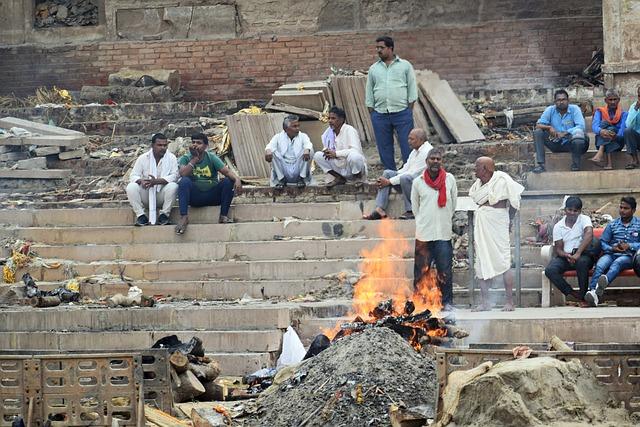
Former Indian cricketer revealed the heart-wrenching struggle he faced while transitioning from a deeply personal tragedy to a professional commitment. Mere minutes after attending his brother’s cremation, he was called upon to step into the commentary box, an assignment that tested his emotional endurance like never before. Despite the immense pain, the star maintained his composure on-air, showing remarkable strength and dedication to the sport he loves. In an exclusive interview, he candidly spoke about the overwhelming challenge of delivering insightful commentary while grappling with grief.
He described the experience as surreal, highlighting how the immediacy of the assignment left little room for mourning or personal reflection. “The microphone felt heavier than ever,” he confessed, revealing the emotional backdrop behind his words during the broadcast. The intensity of the moment was further intensified by the audience’s perception, as viewers remained unaware of the personal turmoil unfolding behind the scenes. Below is a brief overview of his commentary schedule amidst the tragedy:
| Time | Event | Location |
|---|---|---|
| 10:00 AM | Brother’s Cremation | Family Home |
| 10:30 AM | Call to Commentary Box | Stadium Broadcast Room |
| 11:00 AM – 2:00 PM | Match Commentary Duty | Live Broadcast |
- Emotional resilience: Highlighted the thin line between professional responsibility and personal grief.
- Audience unaware: Shared how viewers had no idea of the tragedy behind the broadcast.
- Support system: Acknowledged the role of colleagues who offered quiet support during the ordeal.
Balancing Personal Grief and Professional Obligations in High Pressure Situations
Navigating the razor’s edge between personal loss and professional demands is a challenge few can truly understand until faced with it firsthand. The ex-India cricketer, who was called upon to provide live commentary mere moments after his brother’s cremation, revealed how profound grief coexisted with the urgent pressure to maintain composure on a public stage. In those heart-wrenching minutes, he found himself battling an internal storm while delivering insightful analysis, embodying the often unseen emotional toll exacted on sports personalities and broadcasters alike.
Coping mechanisms to manage such intense situations frequently involve compartmentalization, but this approach is far from simple. Key strategies that help individuals cope include:
- Prioritizing mental health breaks whenever possible.
- Relying on a strong support system of colleagues and family.
- Practicing mindfulness and grounding techniques to stay present.
- Seeking professional counseling post-event to process trauma.
| Strategy | Purpose | Effectiveness |
|---|---|---|
| Compartmentalization | Separate emotions from tasks | High in short term |
| Support Network | Emotional and practical assistance | Essential |
| Mindfulness | Reduce anxiety and stress | Moderate to high |
Experts Recommend Compassionate Work Policies for Employees Facing Bereavement Challenges
Industry professionals emphasize the urgent need for workplaces to adopt empathetic policies that prioritize mental health and emotional well-being when employees face personal loss. The ex-cricketer’s candid revelation of being required to perform commentary duties immediately after his brother’s cremation spotlights a widespread issue of insufficient bereavement support. Experts argue that such situations not only exacerbate grief but also hamper an employee’s ability to deliver quality work, calling for a reevaluation of current workplace expectations during critical personal moments.
Recommended compassionate measures include:
- Flexible paid bereavement leave beyond minimal statutory days
- Access to counseling services and peer support networks
- Temporary workload reduction or reassignment of responsibilities
- Open communication channels to discuss individual needs without stigma
To illustrate, below is a concise overview of proposed policy components suggested by workplace mental health advocates:
| Policy Element | Purpose | Recommended Duration |
|---|---|---|
| Extended Bereavement Leave | Allow sufficient time for grieving and personal arrangements | Up to 2 weeks paid leave |
| Counseling Support | Provide mental health assistance during emotional distress | Ongoing access for 1 month post-loss |
| Work Adjustment | Reduce workload to prevent burnout and maintain productivity | Flexible, based on individual consultation |
Insights and Conclusions
The emotional account shared by the former India star highlights the immense personal challenges athletes can face behind the scenes, far removed from the public eye. Balancing professional commitments with profound personal loss underscores the pressures inherent in the world of sports broadcasting. As fans and fellow professionals reflect on his ordeal, the story serves as a poignant reminder of the human experiences that often unfold beyond the highlights and headlines.
- Advertisement -