


- Advertisement -
In a significant development ahead of the 2026 T20 World Cup, Pakistan has announced it will boycott its scheduled match against India, escalating political tensions between the two cricketing nations. The unexpected decision has sparked widespread reactions from cricketing figures and analysts worldwide. Former players like R. Ashwin, Kevin Pietersen, and Mohammad Azad have voiced their opinions, highlighting the broader implications for the sport and fans alike. This article delves into the reasons behind Pakistan’s boycott and examines the responses from the cricketing fraternity.
Pakistan announces boycott of T20 World Cup 2026 match against India amid rising tensions
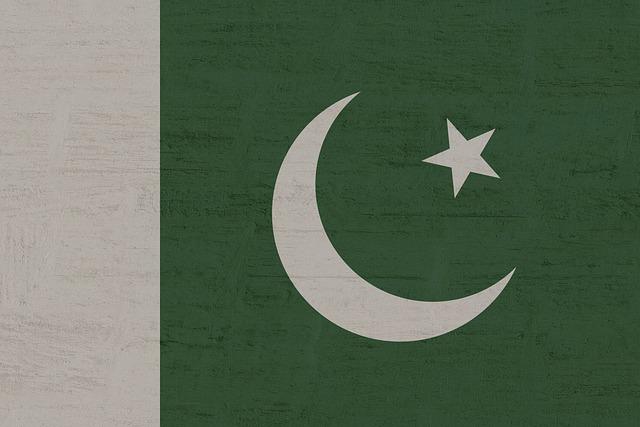
In a move that has sent ripples through the cricketing world, Pakistan has declared its decision to boycott the upcoming T20 World Cup 2026 match against India amid escalating diplomatic tensions between the two nations. The Pakistan Cricket Board (PCB) cited “unforeseen political circumstances” as the primary reason, expressing concerns over player safety and the broader socio-political climate. This unexpected withdrawal is unprecedented and is expected to deeply affect the tournament’s dynamics as both teams have been traditional rivals on the pitch.
The announcement has sparked widespread reactions from cricket legends and analysts. Former India spinner Ravichandran Ashwin commented on the boycott, calling it a “sad day for sport, where politics intrudes on cricket.” Meanwhile, Kevin Pietersen labeled the decision as “disappointing but understandable considering the context.” Yuvraj Singh’s former teammate S Abbas Azad weighed in with a hopeful note, urging both countries to prioritize diplomacy and cricket’s spirit. Below is a snapshot of key reactions from the cricket fraternity:
- Ravichandran Ashwin: Advocates for cricket to remain above politics; calls for dialogue.
- Kevin Pietersen: Emphasizes disappointment but recognizes geopolitical challenges.
- S Abbas Azad: Urges peace and the power of sport to unite.
- International Cricket Council: Yet to issue an official statement.
| Figure | Reaction | Summary |
|---|---|---|
| R. Ashwin | Criticism | Politics should not taint sport |
| K. Pietersen | Understanding | Peace is better but challenges remain |
| S. Azad | Optimism | Hope for reconciliation through cricket |
Cricket legends Ashwin, Pietersen and Azad weigh in on the Pakistan boycott decision
Ravichandran Ashwin expressed a nuanced view on the boycott decision, emphasizing the need for cricket to rise above political tensions. Highlighting the spirit of the game, Ashwin stated, “Cricket has always been a unifier. While it’s disappointing to see matches impacted, the bigger goal should be fostering dialogue and respect through sport.” He urged both boards to find alternative avenues for engagement and warned that frequent boycotts could harm the global growth of T20 leagues and tournaments.
Kevin PietersenGautam Gambhir offered contrasting perspectives. Pietersen was critical of the boycott, saying the fans and players suffer the most from political decisions on the pitch. He remarked, “Sport should be above politics; players from both sides welcome the challenge and opportunity to compete.” Gautam Azad, on the other hand, supported Pakistan’s right to take a stand, emphasizing national interests and safety concerns. The table below summarizes their key viewpoints:
| Cricket Legend | Viewpoint | Implications |
|---|---|---|
| Ravichandran Ashwin | Advocates dialogue, fears impact on cricket unity | Risk to global T20 growth |
| Kevin Pietersen | Opposes boycott, prioritizes fans and players | Potential disruption to competitive spirit |
| Gautam Azad | Supports boycott citing safety and national pride | Reinforces political stance in sport |
Analyzing the impact and recommendations for maintaining sportsmanship in Indo-Pak cricket rivalries
The boycott announcement has once again highlighted the fragile balance between intense rivalry and the spirit of sportsmanship that governs this historic cricketing encounter. Such decisions, while rooted in political and emotional contexts, risk eroding the foundational values that cricket, as a sport, strives to uphold. Fans and players alike are caught in the crossfire, with the sport’s integrity often taking a backseat to geopolitical tensions. Maintaining sportsmanship under these circumstances demands consistent efforts from board administrators and key figures within the cricketing communities of both nations.
To foster a positive atmosphere in Indo-Pak cricket rivalries, the following recommendations are essential:
- Regular diplomatic dialogues between cricket boards to pre-empt politically charged decisions.
- Joint initiatives
- Clear guidelines from the International Cricket Council (ICC) enforcing penalties for unsportsmanlike conduct and encouraging fair play.
- Media responsibility to avoid sensationalism that inflames tensions and instead highlight positive stories from both sides.
| Aspect | Current Challenge | Recommended Approach |
|---|---|---|
| Player Relations | Limited interaction | Organize cross-border training camps |
| Fan Engagement | Polarized support | Promote joint fan events and dialogue forums |
| Governance | Politicized decisions | Implement ICC mediation for conflict resolution |
The Way Forward
As the announcement of Pakistan’s boycott of the T20 World Cup 2026 match against India reverberates across the cricketing world, reactions from prominent figures like R. Ashwin, Kevin Pietersen, and Azhar Ali underscore the deep divisions and emotions tied to this decision. With the tournament set to showcase global sporting talent, the absence of this high-profile fixture marks a significant moment in South Asian cricket relations. Stakeholders and fans alike will be watching closely as the situation unfolds, hoping for dialogue and resolution in the spirit of the game.
- Advertisement -